
The difference between training that works and training you just hope is working comes down to one thing: measurement. Here’s how we track progress through body composition, why we chose a four-week cadence, and what we do with what we find.
You can’t improve what you don’t measure
Without measurement, training is a guess. You feel like you’re working, but you can’t tell if the plan is producing results or just fatigue. Measuring body composition on a schedule replaces that guessing with evidence: is muscle up, is fat down, is the plan working.
That evidence is also what keeps people going. Seeing the numbers move is more motivating than any pep talk.
Why four weeks, not four days
Measure too often and you drown in noise — water, food, sleep, and stress swing the numbers day to day and tell you nothing. Four weeks is long enough to see a real trend and short enough to catch a problem before it costs you a month. It’s the cadence that gives signal without the noise.
So every four weeks we check in, and the trend tells the truth.
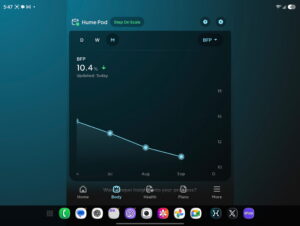
What we do with the data
If the numbers are moving the right way, we hold the course — no need to change what’s working. If something’s flat, we adjust the plan before another month goes by. That’s the entire value of the loop: training stops being hope and becomes a system that corrects itself.
You’re never left wondering. You have data, and a coach who acts on it.
If you’re done guessing whether your training is working, let’s put real feedback behind it. Book a free Body Composition Test right here!
And if you want to see more of the system, click here!
Make sure you type “Body Composition” into the “type your message” box so we can reach out to you and get you on the books!
